


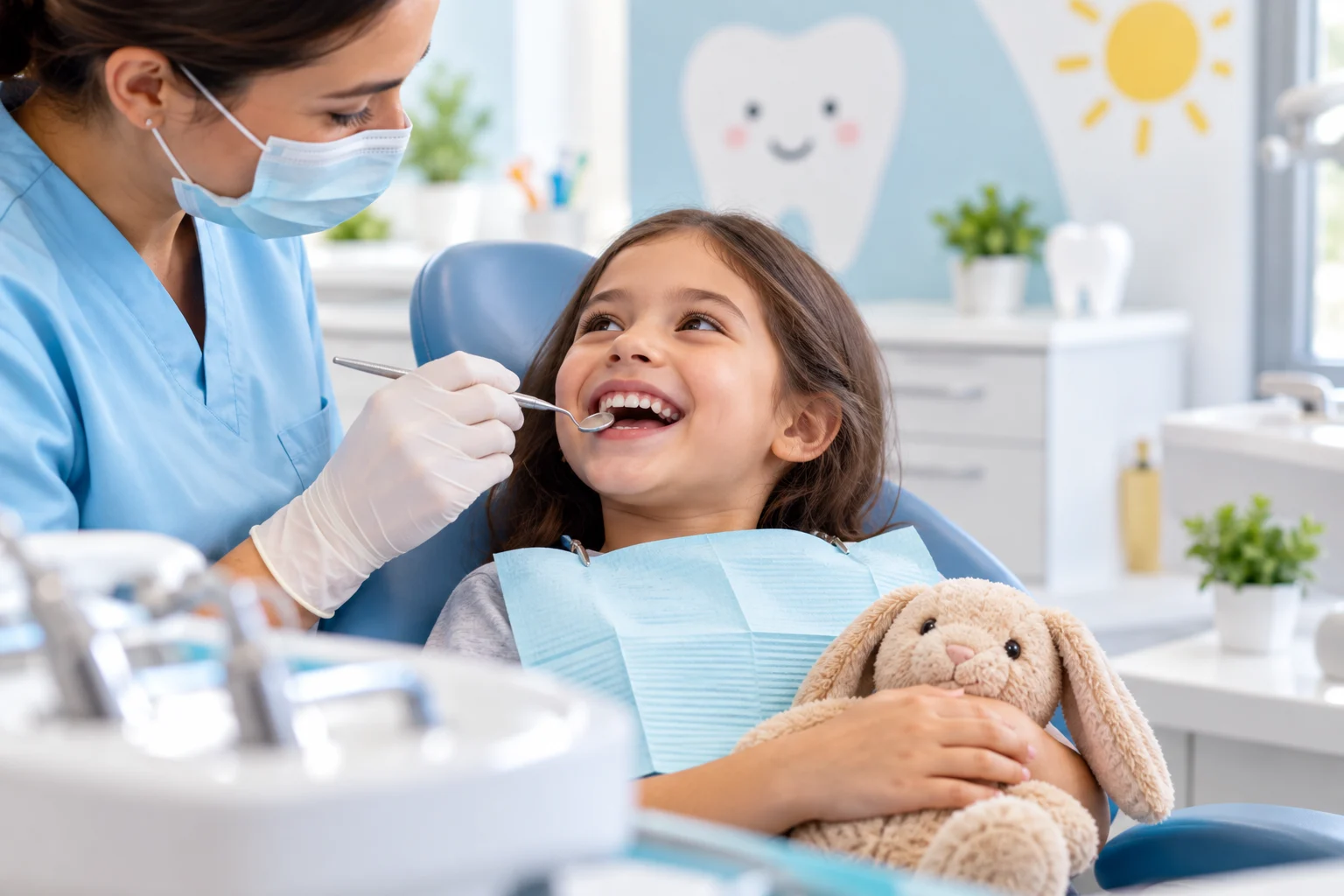
As a parent, you probably already have plenty on your plate. Between school schedules, activities, meals, homework, and bedtime routines, adding another appointment to the calendar can feel like a chore. You may even wonder whether your child's regular dental cleaning is really necessary if their teeth look healthy and they brush every day.
The answer is yes.
Professional dental cleanings are an important part of preventive dental care because brushing and flossing at home cannot remove every bit of plaque and buildup. More importantly, a routine dental appointment gives your child's dentist an opportunity to identify small concerns before they become larger, more uncomfortable, and potentially more expensive problems.
At Strong Smiles Pediatric Dentistry, our goal is not simply to treat cavities or other dental problems after they develop. We want to help you protect your child's smile from the start.
Even children who brush twice a day can develop plaque in areas that are difficult to reach. Plaque is a sticky film of bacteria that forms naturally on teeth. If it is not removed effectively, it can contribute to tooth decay and gum inflammation.
Your child may do a great job brushing but still miss the back surfaces of molars, areas between teeth, or the gumline.
Young children also often lack the coordination needed to brush thoroughly on their own.
Professional cleanings help remove accumulated plaque and hardened tartar that cannot be removed with an ordinary toothbrush.
Preventive dental care is about being proactive instead of waiting for a dental problem to cause pain.
A routine appointment may include a professional cleaning, examination, fluoride treatment when appropriate, and personalized guidance for your child's oral hygiene.
A small cavity may be easier to treat than a large cavity that has been allowed to grow.
For example, early tooth decay may require a relatively simple restoration. If decay progresses into the deeper layers of the tooth, treatment can become more complicated.
In some cases, advanced decay can lead to infection, pain, or the need for more extensive pediatric dental treatment.
They can help reduce the risk of costly dental problems, although no preventive strategy can guarantee that your child will never develop a cavity.
The financial benefit of prevention comes from identifying and managing concerns early.
Just as you would maintain a car rather than wait for the engine to fail, preventive dental visits allow your child's dental team to monitor their oral health regularly.
The earlier a concern is identified, the more treatment options may be available.
A pediatric dental cleaning is designed to be comfortable and age-appropriate.
The dentist or dental professional examines your child's teeth, gums, bite, and developing smile.
Plaque and tartar are gently removed from the teeth.
The teeth may be polished to remove surface buildup and leave them feeling clean and smooth.
Depending on your child's age and individual cavity risk, fluoride may be recommended to strengthen tooth enamel.
Parents can receive practical recommendations about brushing, flossing, snacks, fluoride toothpaste, and other aspects of oral health care.
One common misconception is that cavities in baby teeth do not matter because those teeth will eventually fall out. They matter a great deal.
Baby teeth help children chew food, speak clearly, and maintain space for permanent teeth. Untreated decay can cause pain and infection and may interfere with eating, sleeping, school, and overall quality of life.
For more information about how decay can affect primary teeth, see our guide to cavities in primary teeth.
Protecting primary teeth helps create a healthier environment as your child's permanent teeth develop and erupt.
Skipping routine visits does not necessarily cause immediate problems, which can make it tempting to postpone an appointment.
But dental disease can develop quietly.
Early tooth decay often does not cause obvious symptoms.
By the time your child complains about a toothache, the problem may already be more advanced.
Plaque buildup can irritate the gums, causing redness, swelling, or bleeding.
Routine professional care can help keep these issues under control.
Professional cleaning is only one part of preventive care. Your child's daily habits matter too.
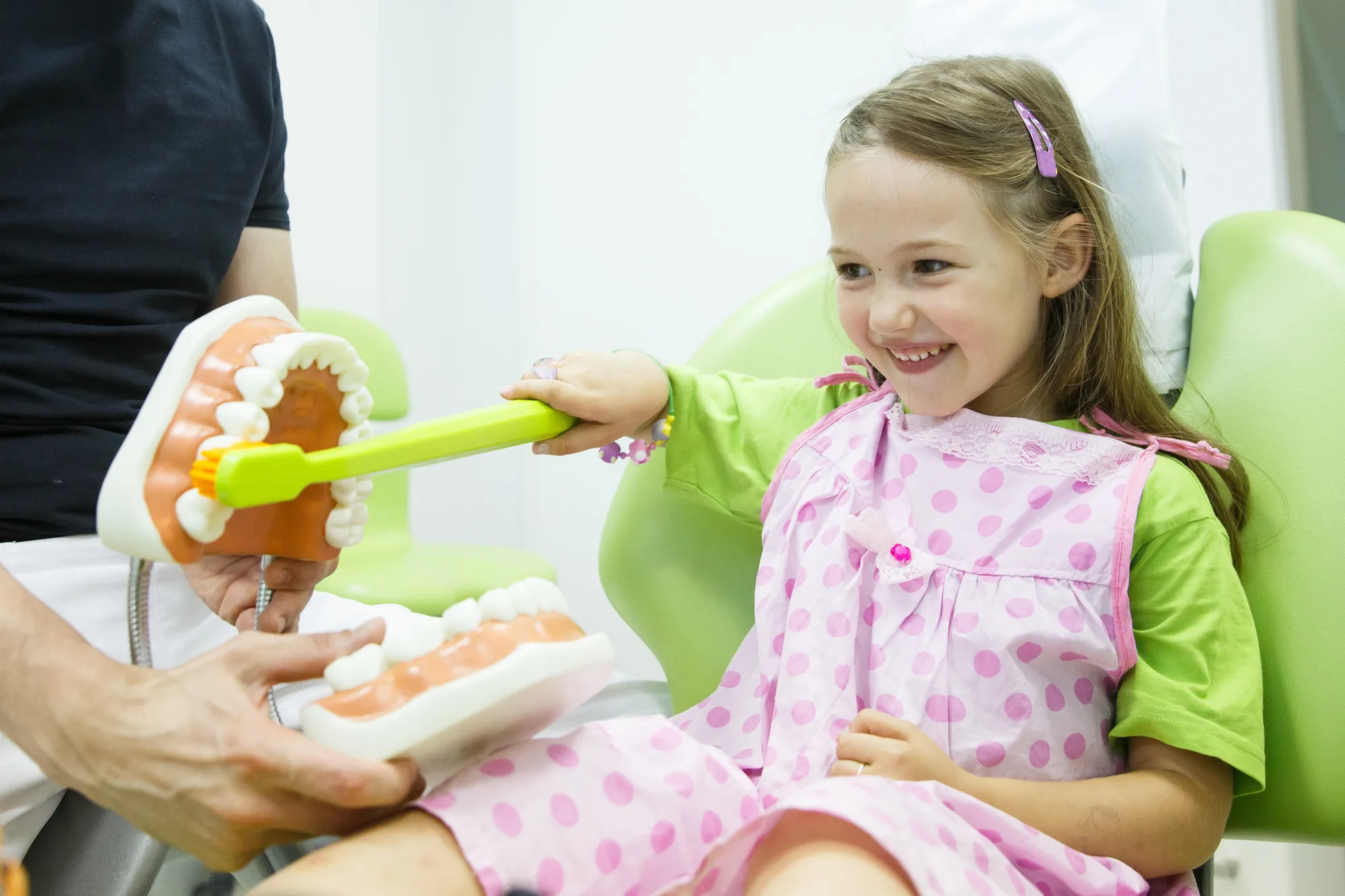
Until your child has the coordination to brush thoroughly, supervise or assist with brushing.
If your child's teeth touch, cleaning between them is important.
It is not only the amount of sugar that matters. Frequent exposure to sugary foods and beverages can give cavity-causing bacteria repeated opportunities to produce acids.
Regular visits allow the dental team to track changes over time. Parents can also learn more about choosing the right toothbrush for kids to support effective daily brushing at home.
Having a consistent dental home makes it easier to keep track of your child's oral health as they grow.
At Strong Smiles Pediatric Dentistry, preventive visits are tailored to children's changing needs. A toddler's dental appointment looks different from a school-age child's visit, and a teenager may need guidance on orthodontic care, sports protection, and changing oral hygiene habits.
As a parent, you cannot prevent every dental issue, but you can give your child a much better chance of maintaining a healthy smile by making preventive care part of their routine.
Regular dental cleanings, examinations, good home care, and healthy habits work together to protect your child's teeth.
If your child is due for a cleaning, contact Strong Smiles Pediatric Dentistry to schedule an appointment and give your child's smile the ongoing care it deserves.
How often should my child have a dental cleaning?
Many children benefit from dental visits approximately every six months, although your child's dentist may recommend a different schedule based on cavity risk and oral health.
Can dental cleanings prevent cavities?
Cleanings help reduce plaque and tartar buildup, but they cannot completely prevent cavities. Daily brushing, flossing, healthy eating habits, fluoride, and regular examinations are also important.
Are professional dental cleanings safe for children?
Yes. Pediatric dental cleanings are designed specifically for children's developing teeth and gums.
Does my child need a cleaning if they brush every day?
Yes. Professional cleaning complements home brushing and helps remove buildup in areas that are difficult to clean thoroughly.
Can baby teeth get cavities?
Absolutely. Baby teeth can develop cavities and should be cared for just like permanent teeth.
Why does my child's gum bleed during brushing?
Bleeding can be associated with plaque buildup or gum inflammation. It is worth discussing with your child's dentist, particularly if it happens regularly.
Does fluoride prevent cavities?
Fluoride helps strengthen enamel and can reduce the risk of tooth decay. Your child's dentist can recommend the appropriate amount based on age and cavity risk.
What if my child is afraid of dental cleanings?
Tell the dental team ahead of time. A pediatric dental office can use age-appropriate communication and a gentle approach to help children feel more comfortable.
Can dental cleanings prevent expensive dental treatment?
Regular preventive visits can help identify and address dental problems earlier, potentially reducing the need for more extensive treatment.
What should I do between dental visits?
Help your child brush twice daily with fluoride toothpaste, clean between teeth, encourage healthy eating habits, and contact the dental office if you notice pain, swelling, or other concerns.
.svg)
.svg)


