


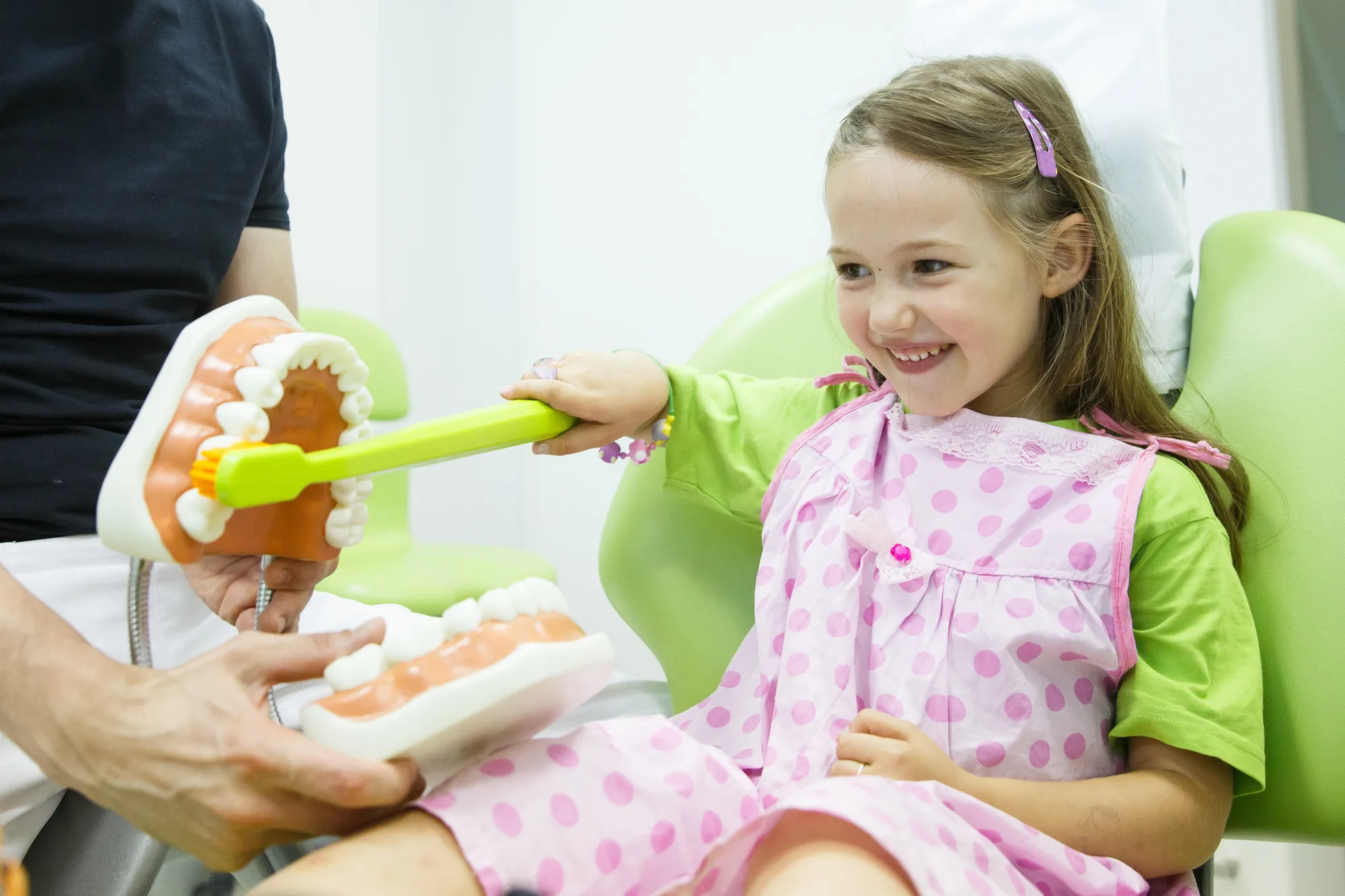
If you have ever sat in a waiting room wondering whether your child really needs to be there again so soon, you are not alone. It's one of the most common questions parents bring up, sometimes out loud, sometimes just rattling around in the back of their minds. Do we actually need to come in every six months? Or is that just something dental offices say to keep the schedule full? Fair question. It deserves a real answer, not a canned one.
Here's the thing: the six month rule isn't some arbitrary marketing line dreamed up to fill chairs. It's rooted in how quickly plaque and bacteria build up on teeth, how fast tartar forms, and how early decay can take hold in kids whose enamel is still developing. But that doesn't mean every family fits neatly into the same six month box. At Strong Smiles Pediatric Dentistry, we look at each child individually. Cavity risk, hygiene habits, even orthodontic development, all of it can shift how often a child actually needs to be seen.
This guide walks through what preventive dental care really looks like for families, why the standard schedule exists, and when it might need to bend a little. Our goal is simple: help parents in Strongsville, OH, and nearby communities feel confident about what their child actually needs. Not just what's convenient to assume.
This belief trips up more families than any other one we hear. Pain is usually the last symptom to show up, not the first. Early decay, weakened enamel, even small cavities, these often develop with zero noticeable discomfort. By the time a child complains about a toothache, the decay has often moved past the point where it would've been simple to manage.
This is exactly why routine exams matter so much for kids. A dentist can catch small issues (a spot of demineralization, a hairline groove starting to trap bacteria) long before they turn into something that needs a filling or, in tougher cases, something more involved. Preventive dentistry in Strongsville, OH is built around this idea. Catch it early, while it's still simple. Don't wait for the problem to announce itself.
The American Academy of Pediatric Dentistry and the American Dental Association both recommend checkups every six months for most children. This interval is based on the average pace of plaque buildup and how quickly decay tends to move in children's teeth, which have thinner enamel than adult teeth.
That said, six months is a general guideline. Not a fixed law. Some kids need to be seen more often, and others do fine with a slightly longer stretch between visits, depending on their specific oral health picture.
A few situations that often call for more frequent checkups:
Kids with a history of cavities or ongoing tooth decay. This one's straightforward, past decay usually means higher future risk.
Children with braces or other orthodontic appliances. Brushing around brackets and wires is hard, and food loves to hide there.
Kids with certain medical conditions affecting saliva production or immune response. Less saliva means less natural protection for teeth.
Children who struggle to keep up consistent brushing and flossing at home. No shame in it, it's just useful information for planning care.
Kids who snack on sugary foods or drinks throughout the day. Frequent sugar exposure hits teeth harder than the same amount eaten all at once.
On the other hand, kids with strong home care habits, low cavity risk, healthy gums, and no orthodontic complications often do fine on the standard six month schedule. This isn't a reward system. It's simply a reflection of lower risk, and your dentist will flag it if anything changes.
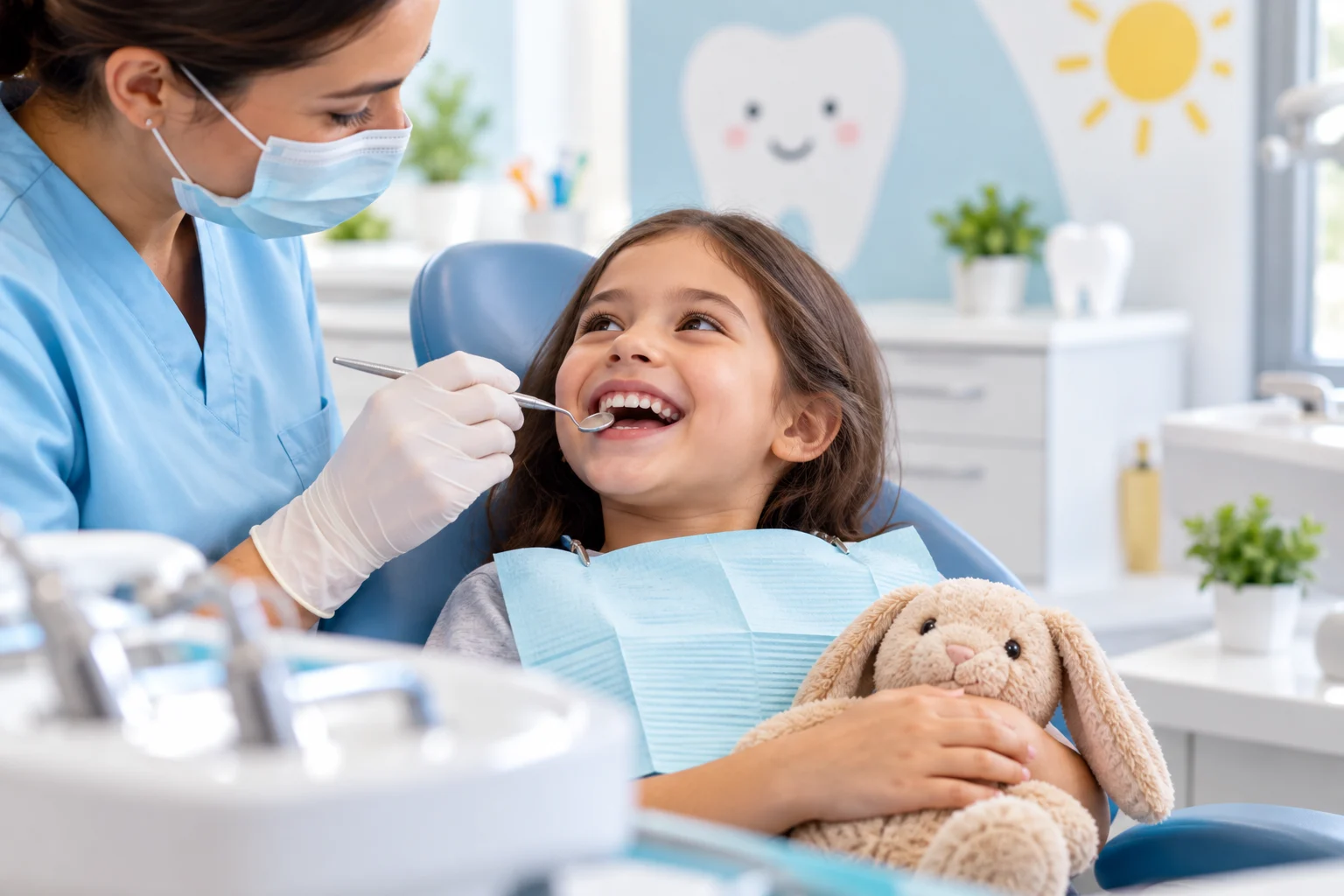
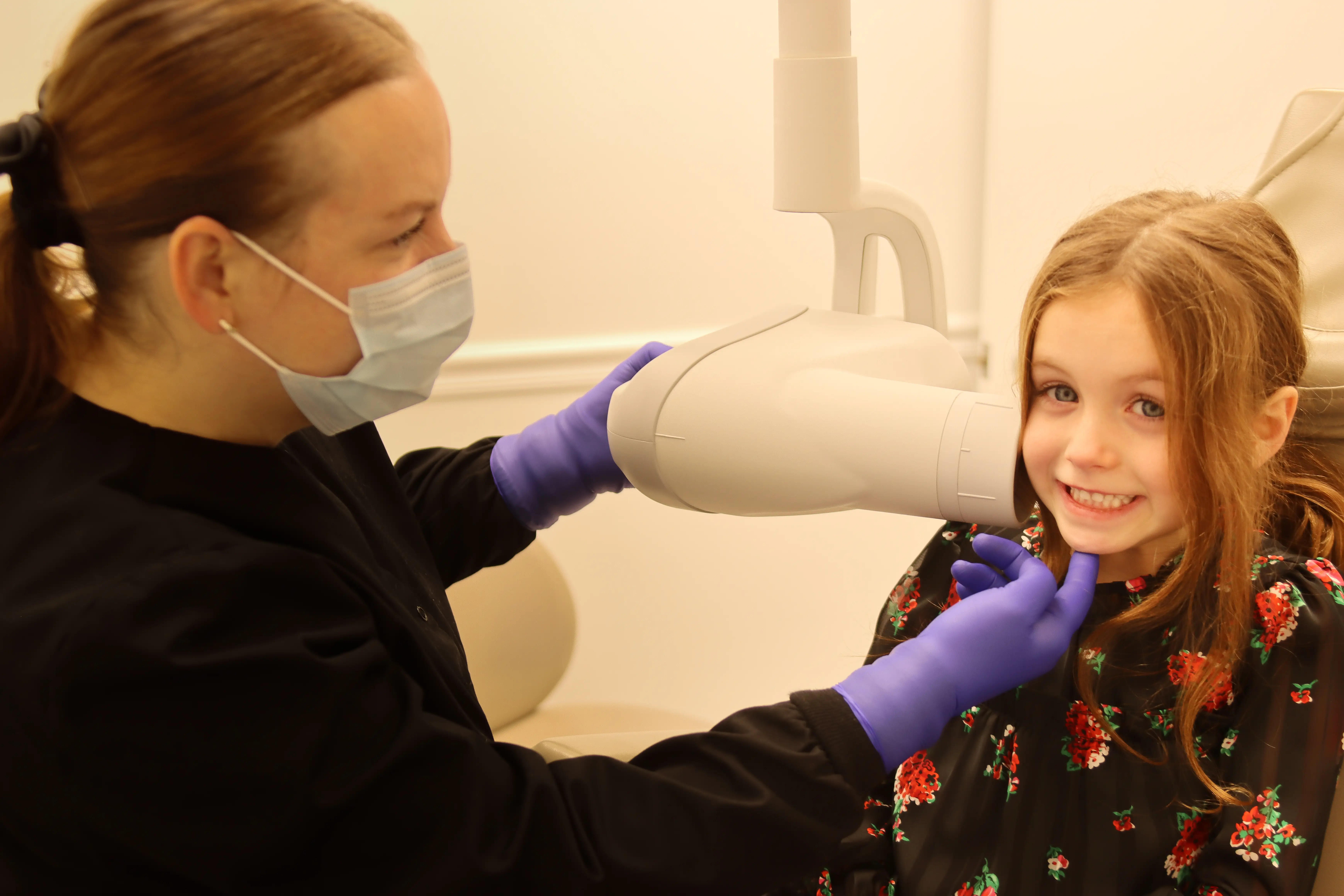
Parents sometimes assume these visits are just a quick look and a cleaning. Truth is, there's more going on behind the scenes. A typical preventive visit usually includes a review of home hygiene habits, a visual exam of teeth and gums, a professional cleaning to clear out plaque and tartar, and often a fluoride treatment depending on age and risk level. X-rays get taken periodically, not at every visit, to check for decay between teeth or trouble below the gumline you'd never spot otherwise.
This is also when a dentist tracks how a child's bite and jaw are developing, and that matters more than most parents realize. Catching an emerging orthodontic issue early can sometimes make future treatment a whole lot easier.
Preventive care doesn't only happen in the dental chair. What happens at home between visits plays just as big a role, maybe bigger. Brushing twice daily with fluoride toothpaste, flossing once teeth start touching, and going easy on sugary snacks, all of it shows up directly at the next checkup.
Parents supervising brushing for younger kids (at least until they've got the coordination to do it well on their own, usually around age seven or eight) makes a real difference. Simple habit. But it's one of the most effective ways to cut cavity risk between visits in Strongsville and beyond.
Some signs shouldn't wait for the next routine appointment. Tooth pain. Visible swelling. A chipped or knocked out tooth. A child who suddenly refuses to chew on one side of their mouth. Sound familiar? Preventive care means staying ahead of problems, but it also means knowing when something needs attention sooner rather than later.
Preventive dentistry works best as an ongoing relationship, not a string of disconnected visits. When a dentist sees the same child year after year, they build a clearer picture of that child's actual patterns. Maybe it's a tendency toward tartar buildup. Maybe it's a slower eruption pattern for certain teeth, or a history of nighttime grinding. That continuity lets the care plan shift as needed instead of staying frozen in place.
Families in Strongsville, OH, who stick with a consistent dental home tend to have an easier time keeping track of when the next visit is due, what got discussed last time, and what to watch for at home.
If you've been wondering whether your child is on the right schedule, or it's been longer than six months since the last visit, now's a reasonable time to check in. Strong Smiles Pediatric Dentistry works with families throughout Strongsville, OH to build preventive care plans that reflect each child's actual needs, not some one size fits all approach. Reach out to schedule a checkup and get a clear picture of where your child's oral health stands right now.
How often should my child really see the dentist?
For most kids, twice a year is the standard recommendation. Some with higher cavity risk or orthodontic needs may benefit from more frequent visits, while low risk kids with strong home habits sometimes do fine on the standard schedule.
What age should my child have their first dental visit?
The general recommendation is by their first birthday or within six months of their first tooth coming in, whichever comes first.
Do baby teeth really need this much attention if they are just going to fall out?
Yes. Baby teeth hold space for permanent teeth, help with speech development, and support proper chewing. Decay in baby teeth can also affect the permanent teeth developing underneath.
How do I know if my child needs more frequent checkups?
Your dentist will typically flag this based on cavity history, gum health, hygiene habits, and any orthodontic considerations during a routine exam.
Are dental X-rays necessary at every visit?
No. X-rays are usually taken periodically based on age and risk level, not at every single checkup.
.svg)
.svg)


